
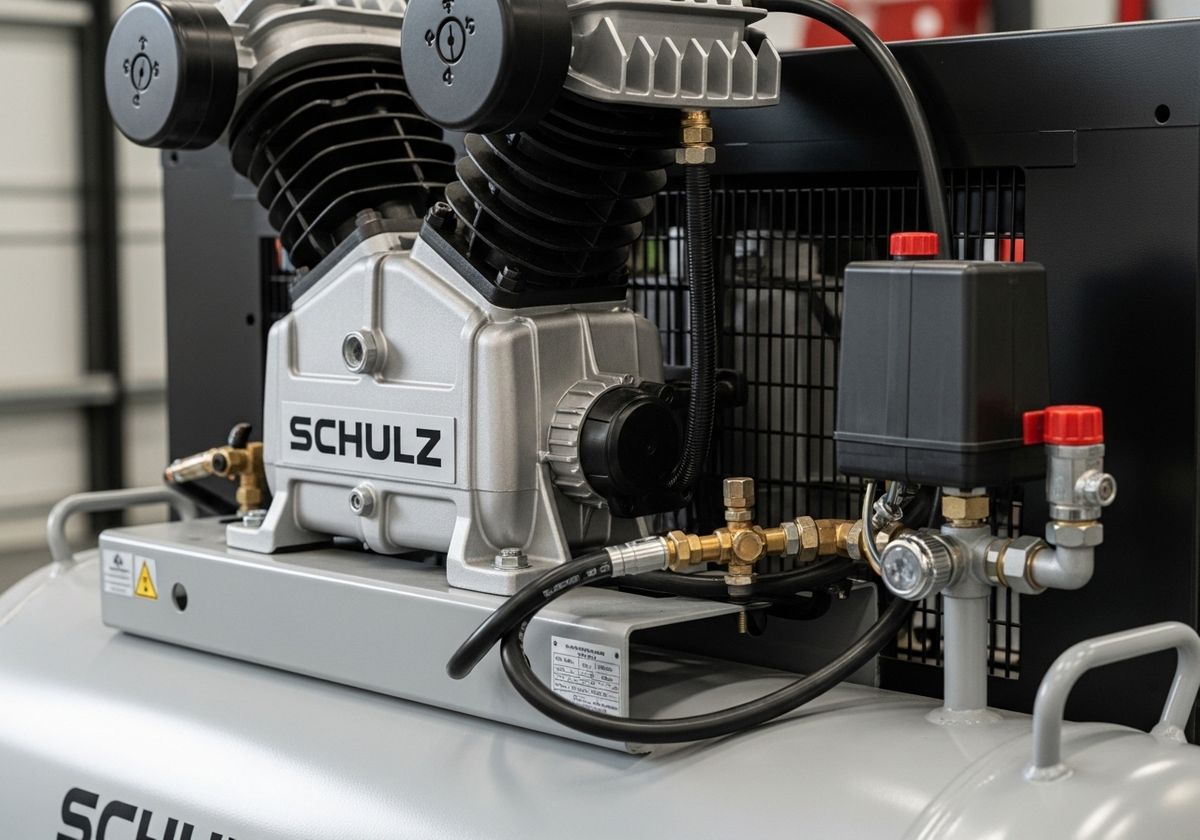
Choosing the right air compressor for your project is crucial for ensuring efficiency, safety, and optimal results. With a wide variety of options available, understanding your specific needs is the first step in making an informed decision. Whether you're a DIY enthusiast or a professional, this guide will help you navigate the key factors to consider when selecting an air compressor.
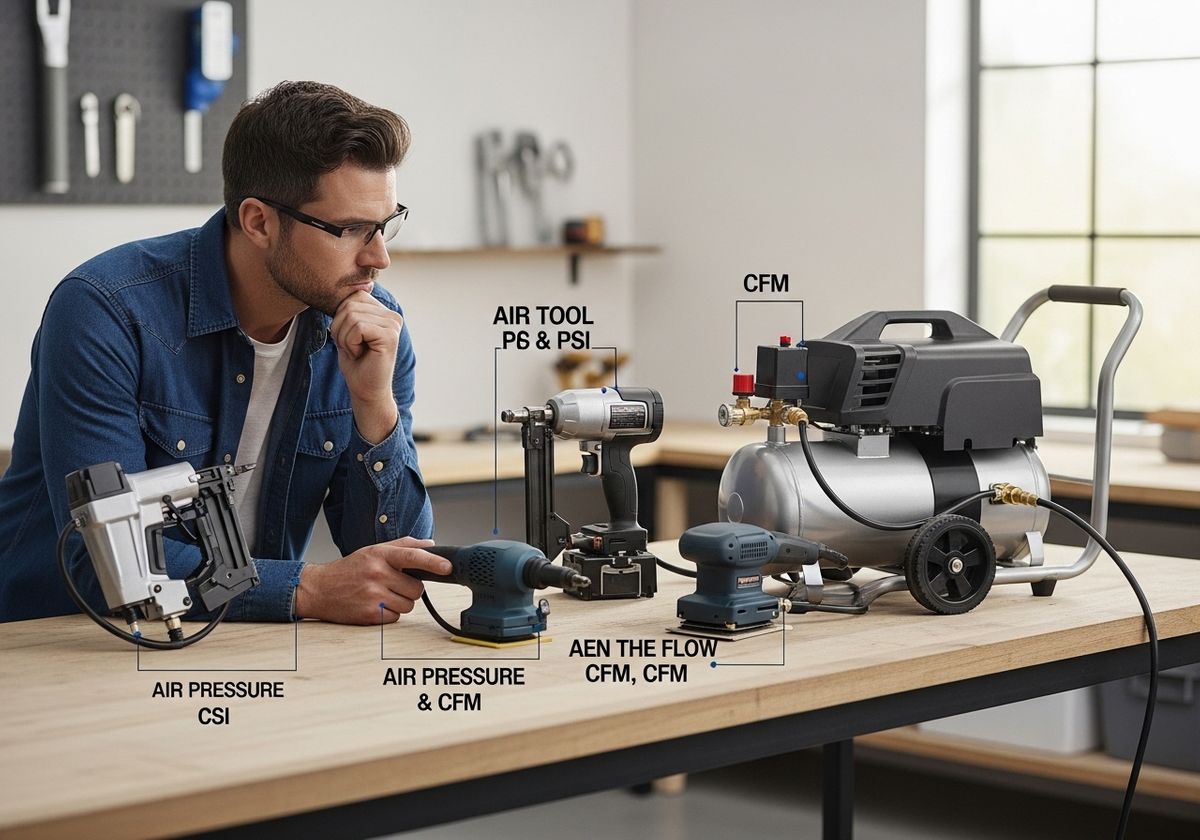
Understanding Your Air Compressor Needs
Before diving into the types of compressors, it's essential to evaluate the demands of your project. Consider the following:
Air Tool Requirements: Different air tools require different amounts of air pressure (PSI) and flow (CFM). Identify the tool with the highest requirements to ensure your compressor can handle it.
Project Frequency and Duration: For occasional use, a smaller, portable compressor might suffice. However, for frequent or continuous use, a larger, more robust model is recommended.
Portability: Do you need to move the compressor around the job site? If so, consider a portable model with wheels and a handle.
Types of Air Compressors
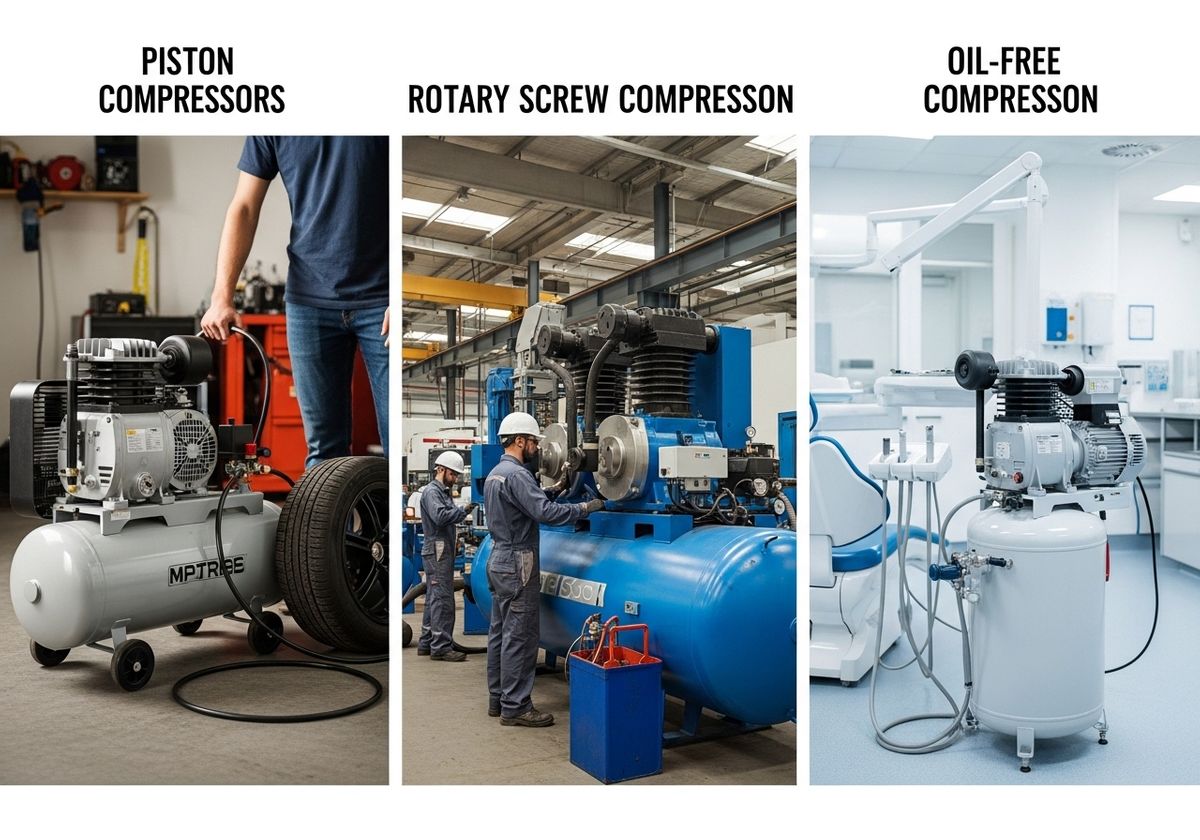
Air compressors come in various types, each suited for different applications:
Piston Compressors: These are the most common type, ideal for home use and small to medium-sized projects. They are available in single-stage and two-stage configurations.
Rotary Screw Compressors: These are designed for heavy-duty, continuous use in industrial settings. They are more efficient and quieter than piston compressors, but also more expensive.
Oil-Free Compressors: These are low-maintenance and suitable for applications where air purity is critical. They are commonly used in the medical and food processing industries.
Key Factors to Consider
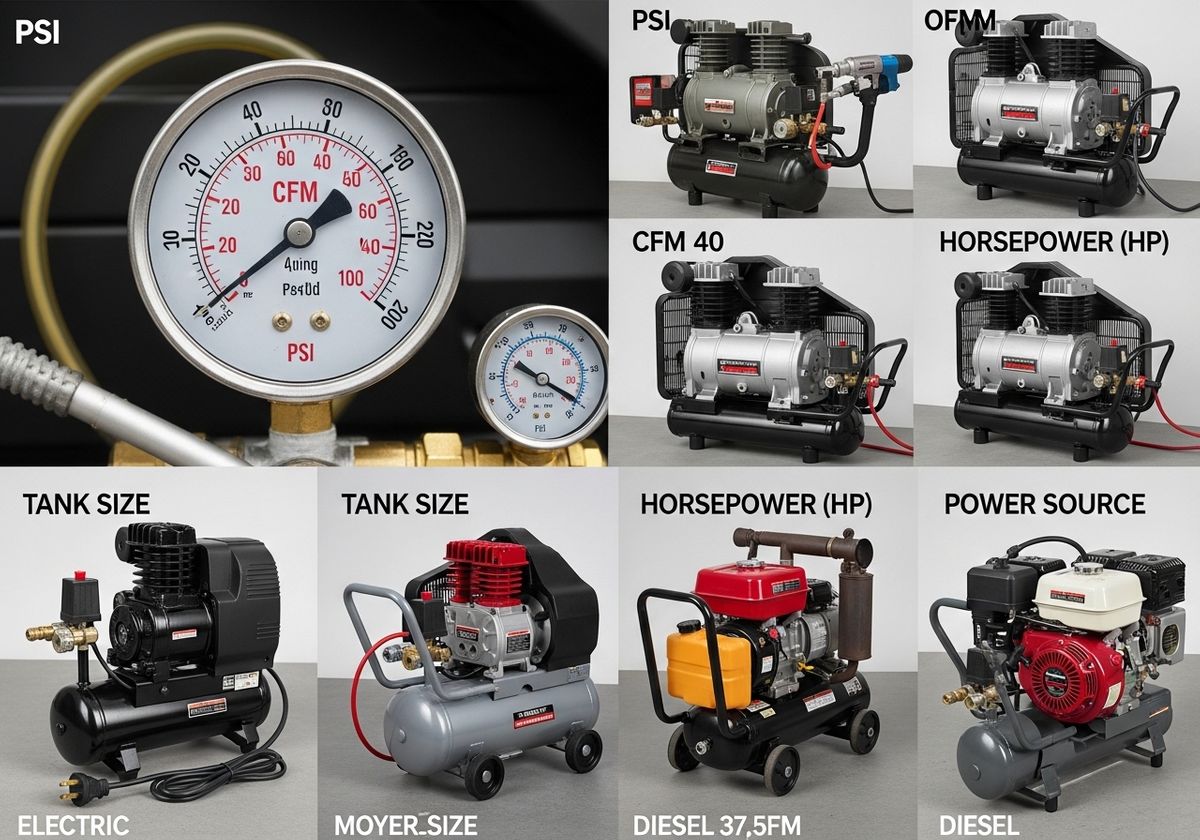
PSI (Pounds per Square Inch): This measures the air pressure the compressor can deliver. Ensure it meets the requirements of your air tools.
CFM (Cubic Feet per Minute): This measures the volume of air the compressor can deliver. Higher CFM ratings are needed for tools that require a continuous flow of air.
Tank Size: A larger tank provides a greater reserve of compressed air, reducing the frequency of the compressor cycling on and off.
Horsepower (HP): This indicates the power of the motor. Higher horsepower generally translates to greater performance and durability.
Power Source: Compressors can be powered by electricity, gasoline, or diesel. Choose the option that is most convenient and cost-effective for your needs.
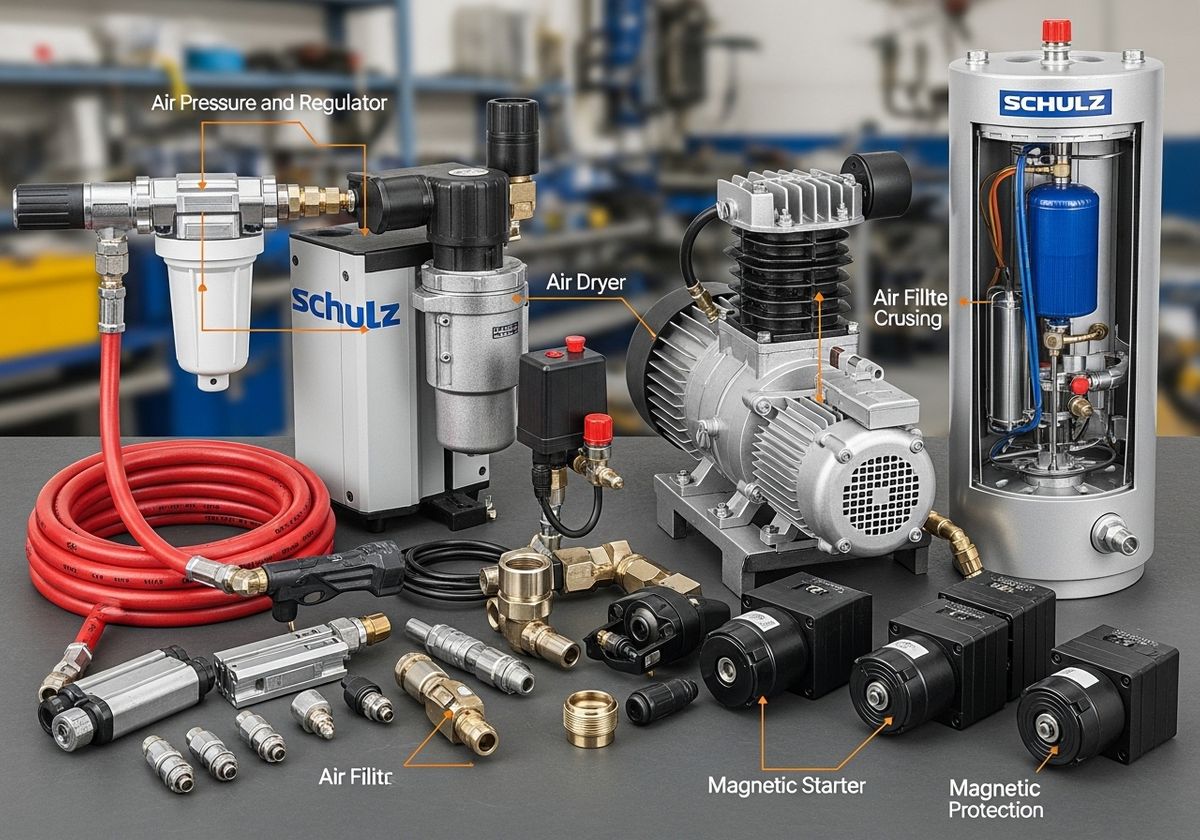
Additional Equipment
In addition to the air compressor itself, you may also need the following:
Air Hoses and Fittings: These connect the compressor to your air tools. Choose hoses and fittings that are compatible with the compressor and tools.
Air Filters and Regulators: These ensure clean, consistent air flow to your tools.
Schulz air dryers: Remove moisture from your compressed air system to prevent corrosion and damage to your tools and equipment.
Compressor pumps and compressor tank: Having the right size and capacity of tanks and pumps will help with the longevity of your air compressor.
Magnetic starters: Protect your motor and improve efficiency with the right starters.
Selecting the correct air compressor involves careful consideration of your project needs, the types of compressors available, and key performance factors. By understanding these elements, you can ensure you choose a compressor that delivers optimal performance and reliability. At SchulzProducts.com, brought to you by Swing Alpha Technology LLC, we are committed to providing reliable, high-quality air solutions tailored to your needs. As a Schulz Authorized Dealer, we offer a wide range of Schulz air compressors and parts to meet any requirement. Contact us today to learn more about our products and how we can help you find the perfect air compressor for your next project. We also carry Schulz air dryers, compressor pumps, air compressor tanks, and magnetic starters to complete your air compressor system.